Buy my-bicycle.eu ?
We are moving the project
my-bicycle.eu .
Are you interested in purchasing the domain
my-bicycle.eu ?
domain@kv-gmbh.de · 0541-91531010
Buy my-bicycle.eu ?
Can the chestnut sapling survive without a chestnut?
Yes, a chestnut sapling can survive without a chestnut. The chestnut is the seed that germinates to grow into a sapling, but once the sapling has established its own root system and is able to photosynthesize and absorb nutrients from the soil, it no longer relies on the original chestnut for survival. The chestnut seed provides the initial nutrients and energy for the sapling to grow, but once it becomes self-sufficient, it can continue to grow and thrive independently. **
Is the chestnut (sweet chestnut) toxic to dogs?
Yes, chestnuts, including sweet chestnuts, are not toxic to dogs when consumed in moderation. However, they should be given to dogs in small amounts and only as an occasional treat. Eating large quantities of chestnuts can lead to gastrointestinal upset in dogs due to their high fiber content. It is always best to consult with a veterinarian before introducing any new food to your dog's diet. **

Similar search terms for Chestnut
Top-Angebote
Products related to Chestnut:
-
Hairdo Angled Cut Wig ChestnutShort means sassy in this sexy, on-trend, asymmetrical cut wig. The length was added to the right top and side for the body and the tapered ends hug the nape for a sleek profile.Synthetic and human hair extension sales are final and cannot be...104,29 $*Shipping: 0,00 $Secure redirect to the provider


-
Is the chestnut (edible chestnut) toxic to dogs?
Yes, chestnuts are not toxic to dogs and can be safely consumed by them. However, it is important to feed them in moderation as they are high in carbohydrates and can cause stomach upset or digestive issues if consumed in large quantities. Additionally, it is best to feed chestnuts to dogs in their natural, unseasoned form to avoid any potential health risks. **
-
"Will my chestnut tree survive?"
The survival of your chestnut tree depends on various factors such as its current health, the growing conditions, and any potential threats such as diseases or pests. It's important to assess the tree's overall health, provide proper care including watering, fertilizing, and pruning, and monitor for any signs of distress. Additionally, consulting with a local arborist or horticulturist can provide valuable insights and recommendations for ensuring the survival of your chestnut tree. **
-
Which colors match my chestnut horse?
Chestnut horses typically have a warm, reddish-brown coat color. Colors that complement chestnut horses include earth tones such as olive green, mustard yellow, and warm browns. Additionally, colors like navy blue, burgundy, and cream can also look great with a chestnut horse's coloring. It's best to avoid colors that clash with the warm tones of the chestnut coat, such as bright pinks or purples. **
-
What is chestnut puree?
Chestnut puree is a sweet and creamy spread made from cooked and pureed chestnuts. It is often sweetened with sugar and flavored with vanilla or other spices. Chestnut puree can be used as a filling for pastries, cakes, and desserts, or spread on toast or crackers. It is a popular ingredient in European and Mediterranean cuisines. **
Can I give my rabbit a chestnut?
No, it is not recommended to give your rabbit a chestnut. Chestnuts are high in carbohydrates and can be difficult for rabbits to digest, leading to potential gastrointestinal issues. Additionally, the outer shell of the chestnut can pose a choking hazard for rabbits. It is best to stick to a diet of hay, fresh vegetables, and a small amount of pellets for your rabbit's nutritional needs. **
What is missing from my chestnut tree?
It is difficult to determine what might be missing from your chestnut tree without more specific information. However, some common issues that could affect the health of a chestnut tree include nutrient deficiencies, pests, diseases, or environmental stressors. It would be helpful to closely examine the tree for any signs of discoloration, damage, or unusual growth patterns, and consider factors such as soil quality, sunlight exposure, and watering practices to identify any potential issues. Additionally, consulting with a local arborist or horticulturist may provide valuable insights into the specific needs of your chestnut tree. **
Top-Angebote
Products related to Chestnut:
-
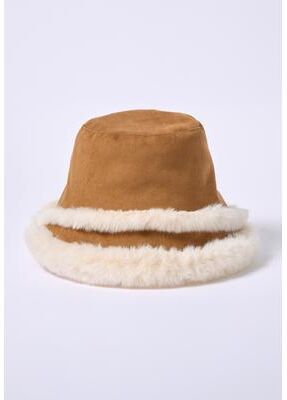
Women's Faux Suede Hat by Accessories For All in ChestnutElevate your cold-weather style with this faux suede hat finished with a plush faux fur trim for a touch of luxe. Soft, cozy, and effortlessly stylish, it brings warmth with a feminine edge. Pair it with tailored outerwear for a modern, polished...33,49 $*Shipping: 0,00 $Secure redirect to the provider
-
Carolina Chair And Table Co. Clifton Cane Accent Table Chestnut , ChestnutGreat style is easy to achieve when decorating with the Clifton Cane Chestnut Accent Table. This rustic, handcrafted mango wood accent table is beautifully finished by hand and features two lower shelves with intricate cane detailing and turned...174,99 $*Shipping: 0,00 $Secure redirect to the provider
-
Can the chestnut sapling survive without a chestnut?
Yes, a chestnut sapling can survive without a chestnut. The chestnut is the seed that germinates to grow into a sapling, but once the sapling has established its own root system and is able to photosynthesize and absorb nutrients from the soil, it no longer relies on the original chestnut for survival. The chestnut seed provides the initial nutrients and energy for the sapling to grow, but once it becomes self-sufficient, it can continue to grow and thrive independently. **
-
Is the chestnut (sweet chestnut) toxic to dogs?
Yes, chestnuts, including sweet chestnuts, are not toxic to dogs when consumed in moderation. However, they should be given to dogs in small amounts and only as an occasional treat. Eating large quantities of chestnuts can lead to gastrointestinal upset in dogs due to their high fiber content. It is always best to consult with a veterinarian before introducing any new food to your dog's diet. **
-
Is the chestnut (edible chestnut) toxic to dogs?
Yes, chestnuts are not toxic to dogs and can be safely consumed by them. However, it is important to feed them in moderation as they are high in carbohydrates and can cause stomach upset or digestive issues if consumed in large quantities. Additionally, it is best to feed chestnuts to dogs in their natural, unseasoned form to avoid any potential health risks. **
-
"Will my chestnut tree survive?"
The survival of your chestnut tree depends on various factors such as its current health, the growing conditions, and any potential threats such as diseases or pests. It's important to assess the tree's overall health, provide proper care including watering, fertilizing, and pruning, and monitor for any signs of distress. Additionally, consulting with a local arborist or horticulturist can provide valuable insights and recommendations for ensuring the survival of your chestnut tree. **
Similar search terms for Chestnut
-
Hairdo Angled Cut Wig ChestnutShort means sassy in this sexy, on-trend, asymmetrical cut wig. The length was added to the right top and side for the body and the tapered ends hug the nape for a sleek profile.Synthetic and human hair extension sales are final and cannot be...104,29 $*Shipping: 0,00 $Secure redirect to the provider
-
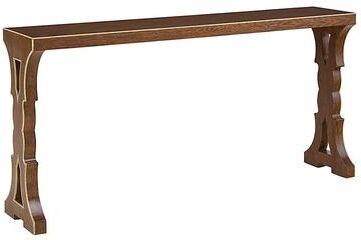
Mallory Console - Chestnut - Ballard DesignsOur wow-worthy Mallory Console is that rare piece where beautiful design and striking color meet. The sculptural silhouette is beautifully crafted with scalloped, hourglass glass legs and expansive top outlined in white oak for dramatic contrast....1519,20 $*Shipping: 299,00 $Secure redirect to the provider
-
Which colors match my chestnut horse?
Chestnut horses typically have a warm, reddish-brown coat color. Colors that complement chestnut horses include earth tones such as olive green, mustard yellow, and warm browns. Additionally, colors like navy blue, burgundy, and cream can also look great with a chestnut horse's coloring. It's best to avoid colors that clash with the warm tones of the chestnut coat, such as bright pinks or purples. **
-
What is chestnut puree?
Chestnut puree is a sweet and creamy spread made from cooked and pureed chestnuts. It is often sweetened with sugar and flavored with vanilla or other spices. Chestnut puree can be used as a filling for pastries, cakes, and desserts, or spread on toast or crackers. It is a popular ingredient in European and Mediterranean cuisines. **
-
Can I give my rabbit a chestnut?
No, it is not recommended to give your rabbit a chestnut. Chestnuts are high in carbohydrates and can be difficult for rabbits to digest, leading to potential gastrointestinal issues. Additionally, the outer shell of the chestnut can pose a choking hazard for rabbits. It is best to stick to a diet of hay, fresh vegetables, and a small amount of pellets for your rabbit's nutritional needs. **
-
What is missing from my chestnut tree?
It is difficult to determine what might be missing from your chestnut tree without more specific information. However, some common issues that could affect the health of a chestnut tree include nutrient deficiencies, pests, diseases, or environmental stressors. It would be helpful to closely examine the tree for any signs of discoloration, damage, or unusual growth patterns, and consider factors such as soil quality, sunlight exposure, and watering practices to identify any potential issues. Additionally, consulting with a local arborist or horticulturist may provide valuable insights into the specific needs of your chestnut tree. **
* All prices are inclusive of VAT and, if applicable, plus shipping costs. The offer information is based on the details provided by the respective shop and is updated through automated processes. Real-time updates do not occur, so deviations can occur in individual cases. ** Note: Parts of this content were created by AI.