Buy my-bicycle.eu ?
We are moving the project
my-bicycle.eu .
Are you interested in purchasing the domain
my-bicycle.eu ?
domain@kv-gmbh.de · 0541-91531010
Buy my-bicycle.eu ?
Can I use yeast dough as pizza dough?
Yes, you can use yeast dough as pizza dough. In fact, traditional pizza dough is made with yeast to help it rise and create a light, airy crust. The yeast helps to give the dough a chewy texture and develop flavor as it ferments. Just be sure to let the dough rise properly before shaping and baking it for the best results. **
Is my injera dough moldy?
If your injera dough is moldy, you will likely see visible signs of mold growth on the surface of the dough. Mold can appear as fuzzy spots, discoloration, or a musty smell. If you suspect that your injera dough is moldy, it is best to discard it to avoid any potential health risks associated with consuming mold-contaminated food. It is important to always store injera dough in a clean and dry container to prevent mold growth. **
Similar search terms for Dough
Top-Angebote
Products related to Dough:
-
Uttermost Dough Reclaimed Wood TrayUttermost's accessories combine premium quality materials with unique high-style design. With the advanced product engineering and packaging reinforcement, Uttermost maintains some of the lowest damage rates in the industry.276,00 $*Shipping: 0,00 $Secure redirect to the provider
-
IH Casa Decor Mango Wooden Oval Dough Tray MediumEnhance your culinary experience by adding a rustic charm to your kitchen with our Mango Wooden Oval Dough Tray. Handcrafted from premium mango wood, this tray features a smooth, oval design that showcases the wood's natural grain.43,99 $*Shipping: 0,00 $Secure redirect to the provider
-
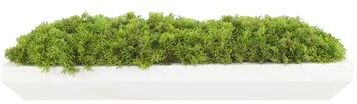
Creative Labs Moss Arrangement in Wood Dough Bowl - GreenAdd a touch of nature to your space with our moss arrangement. Featuring bring green faux moss overflowing from a charming wood dough bowl. This piece is the perfect addition to any style décor.128,49 $*Shipping: 0,00 $Secure redirect to the provider



-
When will my dough be kneadable?
Your dough will be kneadable once the ingredients are fully combined and you have achieved a shaggy mass. At this point, you can start kneading the dough to develop the gluten and create a smooth and elastic texture. Depending on the recipe, this may take anywhere from 5-10 minutes of kneading. It's important to follow the recipe instructions and trust the feel of the dough to determine when it is ready to be kneaded. **
-
Why is my yeast dough shrinking?
Yeast dough may shrink during baking if it has been overworked or if it has not been given enough time to rest and rise properly. Overworking the dough can develop too much gluten, causing it to shrink as it bakes. Additionally, if the dough is not allowed to rise for the appropriate amount of time, it may not have enough structure to hold its shape during baking, leading to shrinkage. It is important to follow the recipe instructions carefully and allow the dough to rise adequately to prevent shrinking. **
-
Why is my dough so sticky?
Your dough may be sticky due to a few reasons. It could be that you added too much liquid to the dough, or that the humidity in the environment is affecting the dough's texture. Additionally, the type of flour you are using can also impact the stickiness of the dough. To remedy this, you can try adding a little more flour to the dough while kneading, or allowing the dough to rest and absorb the moisture before continuing with the recipe. **
-
Why doesn't my yeast dough rise?
There are several reasons why your yeast dough may not be rising. One common reason is that the yeast may be expired or inactive. Another reason could be that the water used to activate the yeast was too hot or too cold, which can kill the yeast. Additionally, if the dough was not given enough time to rise or if it was placed in a drafty or cold environment, it may not have had the proper conditions to rise. **


Why didn't my dough become hard?
There are a few possible reasons why your dough didn't become hard. One reason could be that you didn't knead the dough enough to develop the gluten, which gives the dough structure and strength. Another reason could be that you didn't let the dough rest and rise for long enough, which allows the gluten to relax and the yeast to create air pockets. Additionally, using too much liquid or not enough flour in the dough could result in a softer texture. Finally, overmixing the dough can also lead to a softer texture as it can break down the gluten strands. **
What are the particularities of stirred dough and yeast dough?
Stirred dough is typically made by mixing the ingredients together quickly and does not require kneading. It is often used for quick breads like muffins or pancakes. Yeast dough, on the other hand, requires more time and effort as it needs to be kneaded to develop gluten and allow the yeast to ferment and rise. Yeast dough is commonly used for breads like baguettes or pizza crusts. The main difference between the two is the leavening agent used - stirred dough relies on chemical leaveners like baking powder, while yeast dough uses yeast for fermentation. **
Top-Angebote
Products related to Dough:
-
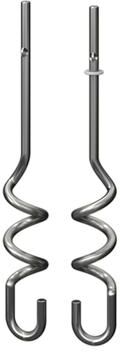
Ninja Foodi Dough HooksPower through the toughest doughs, such as bread, pizza, and dinner rolls, with dedicated dough hooks. Comes with two (2) dough hooks and is used with the Hand Mixer Attachment. Top-rack dishwasher safe or hand-wash in warm, soapy water.22,29 $*Shipping: 0,00 $Secure redirect to the provider
-
Uttermost Dough Reclaimed Wood TrayUttermost's accessories combine premium quality materials with unique high-style design. With the advanced product engineering and packaging reinforcement, Uttermost maintains some of the lowest damage rates in the industry.276,00 $*Shipping: 0,00 $Secure redirect to the provider
-
IH Casa Decor Mango Wooden Oval Dough Tray MediumEnhance your culinary experience by adding a rustic charm to your kitchen with our Mango Wooden Oval Dough Tray. Handcrafted from premium mango wood, this tray features a smooth, oval design that showcases the wood's natural grain.43,99 $*Shipping: 0,00 $Secure redirect to the provider
-
Can I use yeast dough as pizza dough?
Yes, you can use yeast dough as pizza dough. In fact, traditional pizza dough is made with yeast to help it rise and create a light, airy crust. The yeast helps to give the dough a chewy texture and develop flavor as it ferments. Just be sure to let the dough rise properly before shaping and baking it for the best results. **
-
Is my injera dough moldy?
If your injera dough is moldy, you will likely see visible signs of mold growth on the surface of the dough. Mold can appear as fuzzy spots, discoloration, or a musty smell. If you suspect that your injera dough is moldy, it is best to discard it to avoid any potential health risks associated with consuming mold-contaminated food. It is important to always store injera dough in a clean and dry container to prevent mold growth. **
-
When will my dough be kneadable?
Your dough will be kneadable once the ingredients are fully combined and you have achieved a shaggy mass. At this point, you can start kneading the dough to develop the gluten and create a smooth and elastic texture. Depending on the recipe, this may take anywhere from 5-10 minutes of kneading. It's important to follow the recipe instructions and trust the feel of the dough to determine when it is ready to be kneaded. **
-
Why is my yeast dough shrinking?
Yeast dough may shrink during baking if it has been overworked or if it has not been given enough time to rest and rise properly. Overworking the dough can develop too much gluten, causing it to shrink as it bakes. Additionally, if the dough is not allowed to rise for the appropriate amount of time, it may not have enough structure to hold its shape during baking, leading to shrinkage. It is important to follow the recipe instructions carefully and allow the dough to rise adequately to prevent shrinking. **
Similar search terms for Dough
-
Creative Labs Moss Arrangement in Wood Dough Bowl - GreenAdd a touch of nature to your space with our moss arrangement. Featuring bring green faux moss overflowing from a charming wood dough bowl. This piece is the perfect addition to any style décor.128,49 $*Shipping: 0,00 $Secure redirect to the provider
-
Cookie Dough Split Liner (Yellow & Orange) - Eyeliner - Glisten Cosmetics Small - 3gDescription. Create vibrant looks with our Split Liners! These small but mighty eyeliners pack a punch with full-colour payoff that won't crack or fade. Step up your look without breaking the bank!. How to use: Open lid, add a small amount of water to lid, dip brush into water (not too much) and then swirl the brush into the pigment and watch the colour pay off!. Cookie Dough - Cream Yellow and Deep Orange. N.B There may be a slight bleed in colours on this shade, once used this will go away!. Product Info. For external use only. Keep it at room temperature, avoid placing in direct sunlight. Avoid direct contact with eyes and keep out of reach of children. Discontinue use if signs of irritation or rash appear. If you are allergic, or are under treatment/medication for any skin or hair disorders, you must consult with your healthcare professional before using any of our products. To check for skin sensitivity do a small patch test on inner elbow. Glisten Cosmetics will not be held responsible for any reactions that occur due to the customer not taking due care.. All sales are subject to UK & EU law.. Please read our disclaimer before purchasing.. INGREDIENTS: Aqua, Glycerin, Polysorbate-20, Acacia Senegal Gum, Phenoxyethanol, Methylparaben. May contain (+/•) Sericite, Mica, Talc, Calcium Carbonate, Titanium Dioxide (CI 77891). FDC Yellow 10 (CI 47005), FDC Yellow 11 (CI 47000). FDC Blue 1 (CI 42090). D&C; Violet 2 EXT (CI60730). DC Red 22 (CI 45380). DC Red 28 (CI 45410), IRON OXIDES BLACK (CI 77499). Net Weight 3g/10g. Once opened use within 18 months. Notice: Some colours contain pigments, which according to US law may not be suitable for use in the eye area.4,00 £*Shipping: 4,00 £Secure redirect to the provider
-
Why is my dough so sticky?
Your dough may be sticky due to a few reasons. It could be that you added too much liquid to the dough, or that the humidity in the environment is affecting the dough's texture. Additionally, the type of flour you are using can also impact the stickiness of the dough. To remedy this, you can try adding a little more flour to the dough while kneading, or allowing the dough to rest and absorb the moisture before continuing with the recipe. **
-
Why doesn't my yeast dough rise?
There are several reasons why your yeast dough may not be rising. One common reason is that the yeast may be expired or inactive. Another reason could be that the water used to activate the yeast was too hot or too cold, which can kill the yeast. Additionally, if the dough was not given enough time to rise or if it was placed in a drafty or cold environment, it may not have had the proper conditions to rise. **
-
Why didn't my dough become hard?
There are a few possible reasons why your dough didn't become hard. One reason could be that you didn't knead the dough enough to develop the gluten, which gives the dough structure and strength. Another reason could be that you didn't let the dough rest and rise for long enough, which allows the gluten to relax and the yeast to create air pockets. Additionally, using too much liquid or not enough flour in the dough could result in a softer texture. Finally, overmixing the dough can also lead to a softer texture as it can break down the gluten strands. **
-
What are the particularities of stirred dough and yeast dough?
Stirred dough is typically made by mixing the ingredients together quickly and does not require kneading. It is often used for quick breads like muffins or pancakes. Yeast dough, on the other hand, requires more time and effort as it needs to be kneaded to develop gluten and allow the yeast to ferment and rise. Yeast dough is commonly used for breads like baguettes or pizza crusts. The main difference between the two is the leavening agent used - stirred dough relies on chemical leaveners like baking powder, while yeast dough uses yeast for fermentation. **
* All prices are inclusive of VAT and, if applicable, plus shipping costs. The offer information is based on the details provided by the respective shop and is updated through automated processes. Real-time updates do not occur, so deviations can occur in individual cases. ** Note: Parts of this content were created by AI.